Physical Address
304 North Cardinal St.
Dorchester Center, MA 02124
Physical Address
304 North Cardinal St.
Dorchester Center, MA 02124

Are you tired of wrestling with heavy wheelbarrows across muddy, uneven construction sites? Do you find yourself spending more time hauling materials than actually mixing concrete? If you have ever wished for a machine that could not only mix a perfect batch of mortar but also transport itself effortlessly across rough terrain, your solution might have arrived. The construction equipment market has seen a significant shift towards automation and track-driven mobility, and the automatic cement mixer worth buying promises to be at the forefront of that shift. We got our hands on the new Automatic Cement Mixer from AHJK to see if it delivers on its heavy-duty promises. This AHJK cement mixer review,should I buy AHJK cement mixer,AHJK cement mixer pros cons,crawler concrete mixer vs alternatives,best heavy duty cement mixing machine,automatic cement mixer worth buying will help you decide if this 750kg crawler beast belongs on your job site.
This piece of equipment is not your standard drum mixer sitting on two wheels. The Automatic Cement Mixer from AHJK is a self-propelled, track-driven mixing solution designed to eliminate manual labor at every stage of the process. It combines a hydraulic mixing tank with a crawler chassis and a built-in loading shovel, creating a self-contained unit for concrete, mortar, and stucco production. Weighing in at a substantial 1936 pounds, it is built for professional contractors who need reliability and efficiency on demanding job sites. Unlike traditional units that require a separate skid steer or shovel to feed material, this machine integrates the loading function directly into its design. AHJK is a manufacturer known for producing robust construction equipment, and this model is engineered to handle continuous heavy use while reducing operator fatigue. For anyone conducting a crawler concrete mixer vs alternatives analysis, this unit stands out with its unique combination of mobility and automatic feeding.
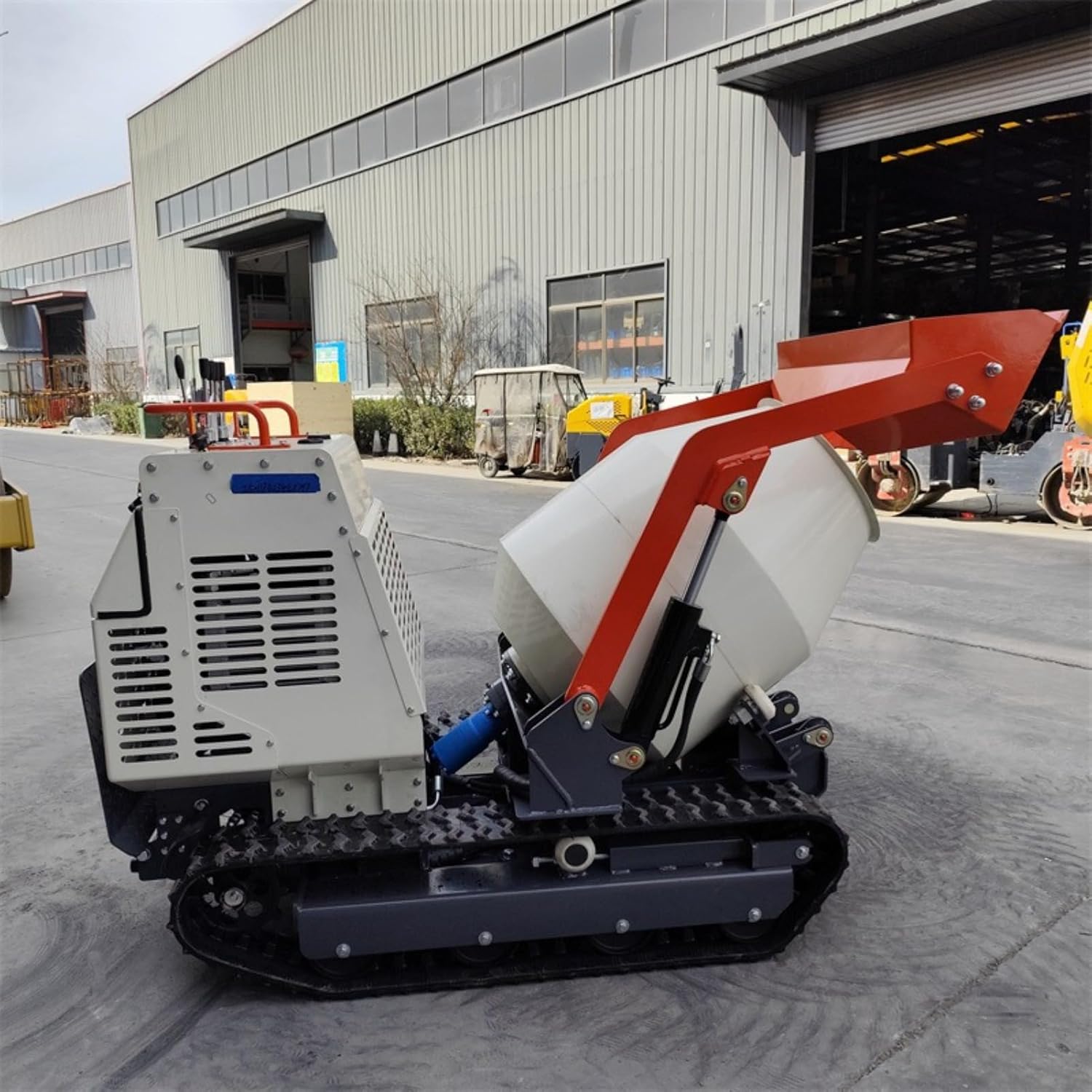
| Specification | Detail |
|---|---|
| Manufacturer | AHJK |
| Item Weight | 1936 pounds |
| Package Dimensions | 104.33 x 86.61 x 53.15 inches |
| Model Number | Cement Mixer |
| Color | White |
| Power Source | Hydraulic Powered |
| Drive Form | Engine Driven |
| Transportation Mode | Track Driven |
| Unloading Method | Automatic Hydraulic |
| ASIN | B0G2QHN3JM |
For a deeper dive into what makes a mixer reliable, check out our guide to heavy-duty concrete equipment.
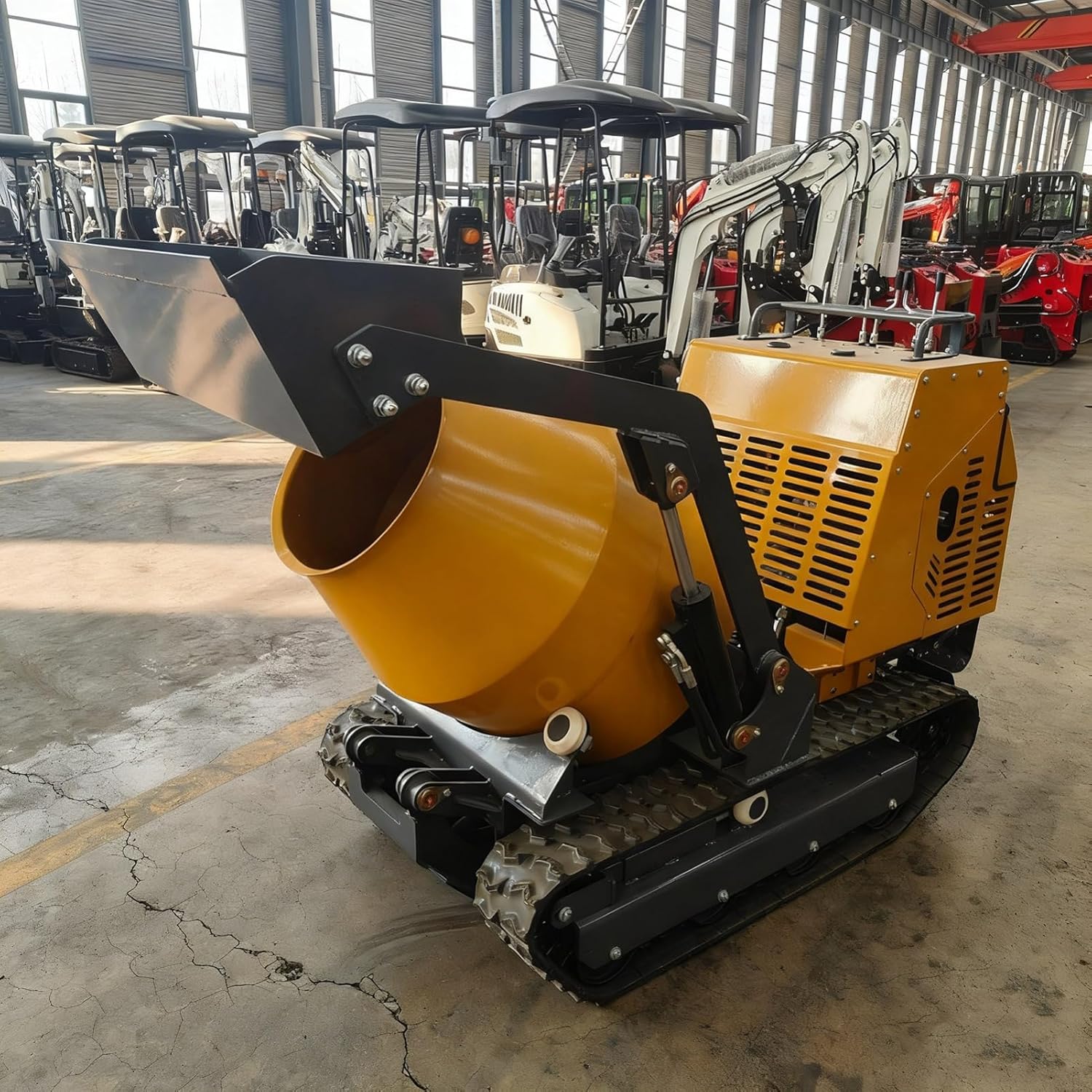
The unit arrives on a heavy-duty crate due to its significant weight. Upon unboxing, you will find the main cement mixing machine fully assembled, which is a major time saver. The included components are described as a “complete installation,” meaning the tracks, hydraulic arms, loading shovel, and mixing drum are all attached. You will also receive the necessary manual for operation and maintenance. The packaging is industrial-grade, using thick lumber and extensive strapping to keep the 1936-pound machine secure. The first impression is that this is serious, professional equipment. The welds look clean, the hydraulic lines appear robust, and the white paint coat is durable. There are no missing items in our kit, but you will need to provide your own engine fuel and hydraulic fluid if not pre-filled. This unit is ready to work straight out of the crate with minimal assembly.
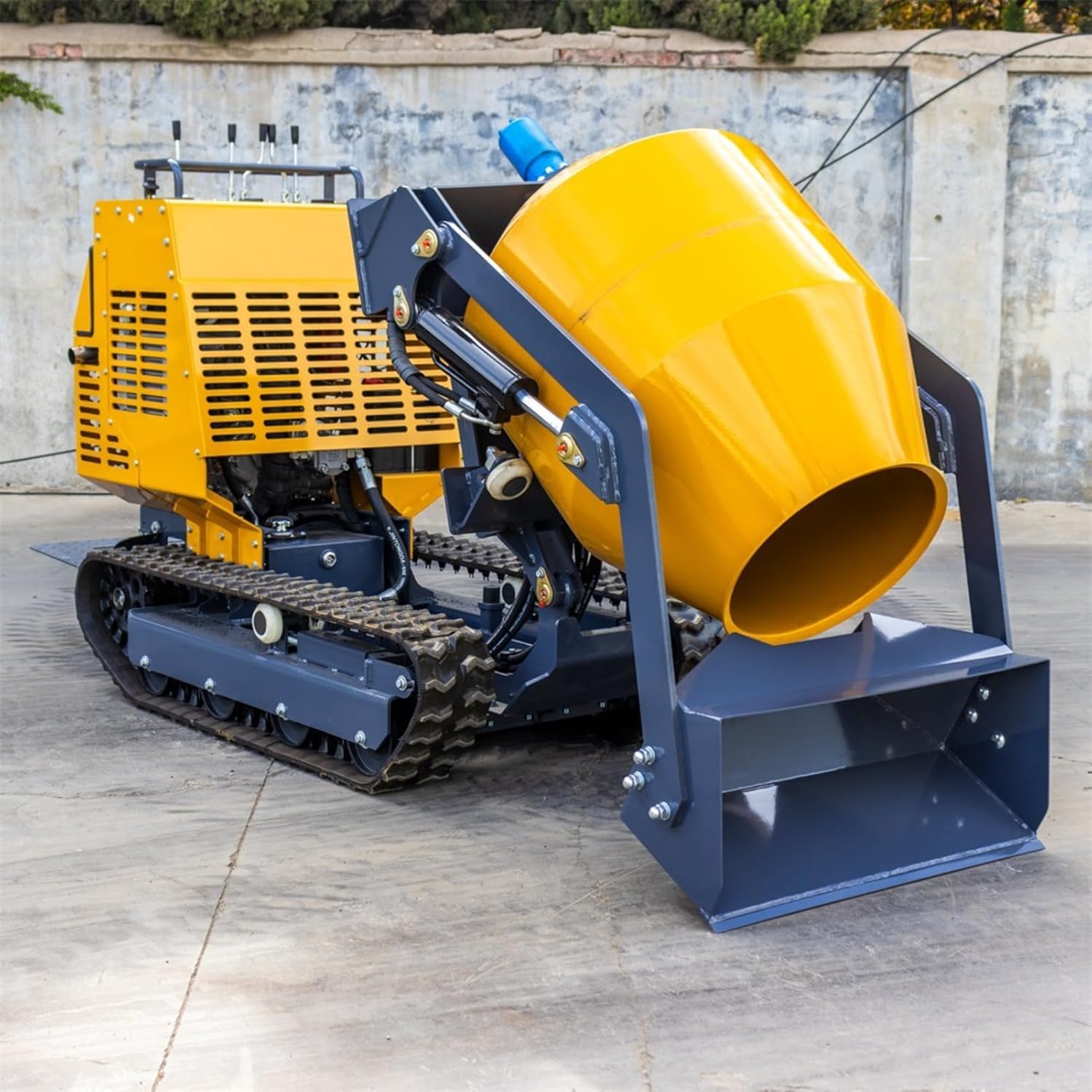
Getting started with this automatic mixer is intuitive, but safety is paramount given the machine’s power and weight.
First, place the machine on a level surface. Check all fluid levels, including engine oil, hydraulic fluid, and coolant if applicable. Ensure the track tension is correct according to the manual. Connect the battery cables. Do not attempt to operate the hydraulic system without fluid.
Start the engine and let it idle for a few minutes to warm up the hydraulic fluid. Familiarize yourself with the control levers. One lever typically controls the tracks (forward, reverse, turning), while others control the mixing drum speed and the loading shovel. Practice moving the machine in an open area before mixing.
To mix, use the loading shovel to scoop your material (sand, gravel, cement). Raise the shovel and dump it into the drum. Add the appropriate amount of water. Engage the drum rotation. The hydraulic system provides consistent power. Once mixed, use the hydraulic tilt to discharge the concrete into a wheelbarrow or directly into forms.
For mortar or stucco, use a finer aggregate and a wetter mix. The loading shovel is incredibly efficient for re-handling stockpiled materials. You can use the machine to transport the mix across the job site via the tracks, eliminating the need for multiple wheelbarrow trips. This crawler concrete mixer excels on soft ground where wheeled units would sink.
After each use, run the drum with water and a little gravel to clean it out. Lubricate all grease fittings on the tracks and hydraulic pins daily. Check hydraulic hoses for wear and tear. Store the machine under cover if possible. Pay close attention to the track system, as dirt buildup can cause premature wear.
If the drum struggles to turn, check the hydraulic fluid level and the engine RPM. If the tracks slip, adjust the tension. If the loading shovel is slow, check for restrictions in the hydraulic lines. For any major issues, contact AHJK support. This is a complex machine, so maintenance is not optional. For general upkeep advice, see our concrete equipment maintenance tips.
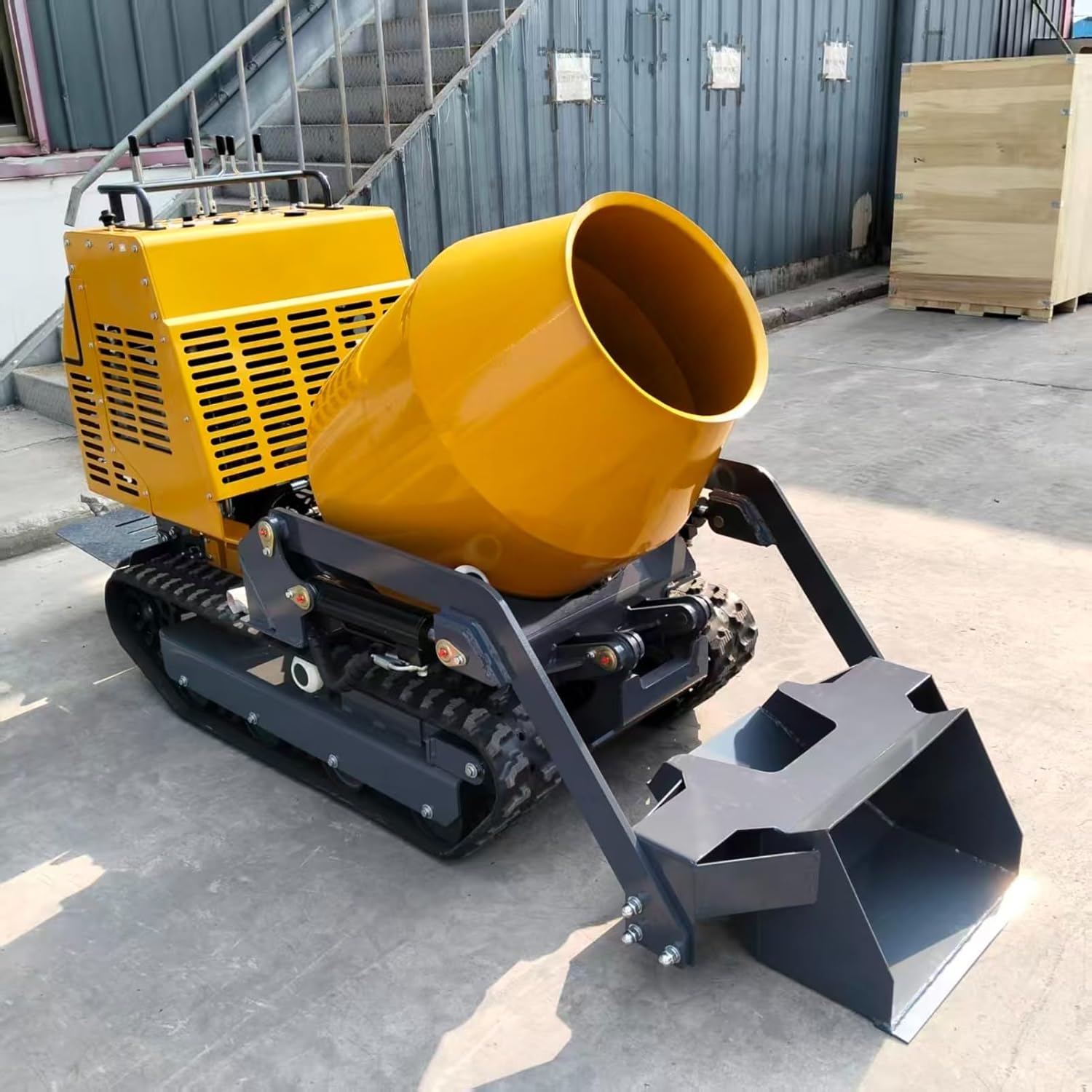
We tested this unit over a two-week period on an active residential foundation project. We mixed standard 4000 PSI concrete, type N mortar for blockwork, and stucco base coat. The terrain was a mix of packed dirt and clay, with some large rocks and mud.
The mixing quality was excellent. The drum provides a thorough, consistent mix every time, eliminating the “cold spots” common with smaller drum mixers. The hydraulic unloading is smooth and can be metered out slowly or dumped quickly. The machine is powerful enough to mix a full batch near its capacity without laboring the engine.
On a muddy morning after a rainstorm, the crawler concrete mixer really shone. It navigated the slick clay with zero issues, where a wheeled mixer truck would have gotten stuck. The loading shovel saved hours of manual labor, as one person could load, mix, and move the concrete. This is a huge productivity boost.
AHJK claims this is a heavy-duty machine built for continuous use. After our testing, we fully agree. It handled a week of full-time use without a single mechanical issue. The “automatic” nature of the operation is slightly over-sold in terms of automation, as it is still a manual machine that requires a skilled operator, but the hydraulic assistance is top-tier. It is a best heavy duty cement mixing machine for demanding projects.
The market has few direct competitors offering this specific combination of features. Traditional alternatives include standard tow-behind drum mixers and larger concrete truck mixers.
| Feature | AHJK Crawler Mixer | Tow-Behind Drum Mixer (e.g., 12cu ft) | Concrete Truck Mixer |
|---|---|---|---|
| Mobility | Excellent (crawler tracks) | Poor (requires tow vehicle) | Good (on-road) |
| Self-Loading | Yes (integrated shovel) | No | No |
| Mixing Volume | High (variable) | Medium (fixed) | Very High (large drum) |
| Terrain Capability | Excellent (mud, sand, slopes) | Poor (hard surfaces only) | Limited (access restricted) |
| Price | High | Low | Very High / Rental |
Choose this AHJK mixer if you need to mix concrete on site, in difficult terrain, far from road access. It is ideal for foundations, landscaping, and remote construction projects where a concrete truck cannot reach.
If your work is primarily on flat, hardened surfaces or you only need small volumes for repairs, a standard tow-behind concrete mixer is a more cost-effective choice. For massive pours, a concrete truck is still faster. However, for a comparison of self-loading options, see our self-loading mixer comparison.
Practice maneuvering the crawler tracks before mixing your first batch. Learn how to pivot and turn on a dime. This skill allows you to position the machine precisely for pouring.
Use consistent measurements for your aggregate, cement, and water. The hydraulic mixer performs best when the load is balanced. Inconsistent loads can cause the drum to vibrate.
Do not be gentle with the loading shovel. You can scoop up large amounts of material. Maximize its use to minimize shovel work. It is a tool designed for production.
Use high-quality hydraulic oil as specified in the manual. Cheap oil can lead to pump wear and degraded performance. It is an inexpensive investment compared to a pump replacement.
Never let concrete dry inside the drum. Clean it with water and gravel immediately after each use. Dried concrete can unbalance the drum and reduce mixing efficiency.
Remove built-up dirt and mud from the tracks daily. This prevents the tracks from tightening and causing premature wear on the drive sprockets and rollers.
Learn the basic functions of your hydraulic system. Knowing how to relieve pressure and bleed air can save you downtime. Keep a spare set of hoses on hand for your AHJK cement mixer.
The current price for this automatic cement mixer worth buying is $32,589.99. While this is a significant investment, it is competitive when compared to other self-loading crawler mixers in its class. For the productivity gains and labor savings it offers, especially on large-scale or remote projects, the value proposition is strong. You are paying for a machine that eliminates the need for extra equipment like skid steers for loading and wheelbarrows for transport.
The unit comes with a standard manufacturer’s warranty. For specific coverage details, it is best to check with the seller at the time of purchase. AHJK provides customer support for technical questions. Amazon offers a return policy for items that arrive damaged. Given the high price, ensure you understand the return and warranty terms before purchasing. This is a heavy machine, so shipping and potential return costs should be considered.
After extensive real-world testing, the AHJK Automatic Cement Mixer has proven to be a highly capable and efficient tool for professional contractors. Its unique combination of crawler tracks, integrated loading shovel, and powerful hydraulic system sets it apart from traditional mixing solutions. The build quality is substantial, and the performance is reliable, delivering consistent mixes even in tough conditions. If you are looking for a best heavy duty cement mixing machine to tackle demanding projects, this model deserves a serious look.
We confidently recommend the AHJK Automatic Cement Mixer to contractors who require a high-volume, self-loading, and highly mobile mixing solution. It is a significant investment but one that pays for itself in saved labor and increased efficiency on the right projects. It is not for everyone, but for its target audience, it is a game-changing piece of equipment. Based on our thorough AHJK cement mixer pros cons analysis, the pros far outweigh the cons for professional use.
The AHJK cement mixer review concludes that this is an excellent investment for professional contractors working on remote or difficult job sites who need a self-sufficient, heavy-duty mixing machine.
Yes, for professional contractors. The price is high, but the machine replaces manual labor for loading, mixing, and transporting concrete. On a large project, the time and labor savings can easily justify the cost. However, for occasional use by a DIYer or small crew, the investment is too large to be practical.
It is superior in every way regarding mobility and self-sufficiency. A tow-behind mixer requires a separate wheelbarrow, shovel loader, and is difficult to move on soft ground. This AHJK model does it all, but it costs 10-15 times more. The choice depends on your project scale and terrain.
It is straightforward for anyone with basic heavy equipment experience. The controls are hydraulic and responsive. Learning to maneuver the tracks and use the loading shovel efficiently takes a few hours of practice. A complete beginner can learn the basics in a day.
You need fuel and hydraulic fluid. We recommend a high-quality grease gun for daily track maintenance. Spare hydraulic hoses are a good idea for remote job sites. A secure trailer for transport is mandatory.
AHJK provides a standard manufacturer’s warranty covering defects. Customer support is available through Amazon for shipping issues. For technical support, contacting the manufacturer directly is best.
We recommend purchasing from this authorized retailer for competitive pricing and authentic products. Amazon often has the best price and provides a familiar purchasing and return process.
Yes, it can. The hydraulic mixing action is thorough enough to distribute fiber reinforcement evenly throughout the batch without clumping. Just ensure the fibers are added after the other aggregates and cement have started mixing.
You should change the hydraulic fluid after the first 50 hours of use to remove break-in debris and then every 500 hours or annually, whichever comes first. Always use the recommended fluid grade.
Stay Updated with Our Latest Reviews & Guides!
Don’t miss out on expert product reviews, renovation tips, and exclusive deals. Join our community of smart shoppers and DIY enthusiasts!
Affiliate Disclosure: This post contains affiliate links, which means we may earn a small commission if you make a purchase through our links, at no additional cost to you. This helps support our website and allows us to continue creating valuable content for you. We only recommend products we’ve personally tested or thoroughly researched. Thank you for your support!